Home › Gravel-to-Asphalt Conversions
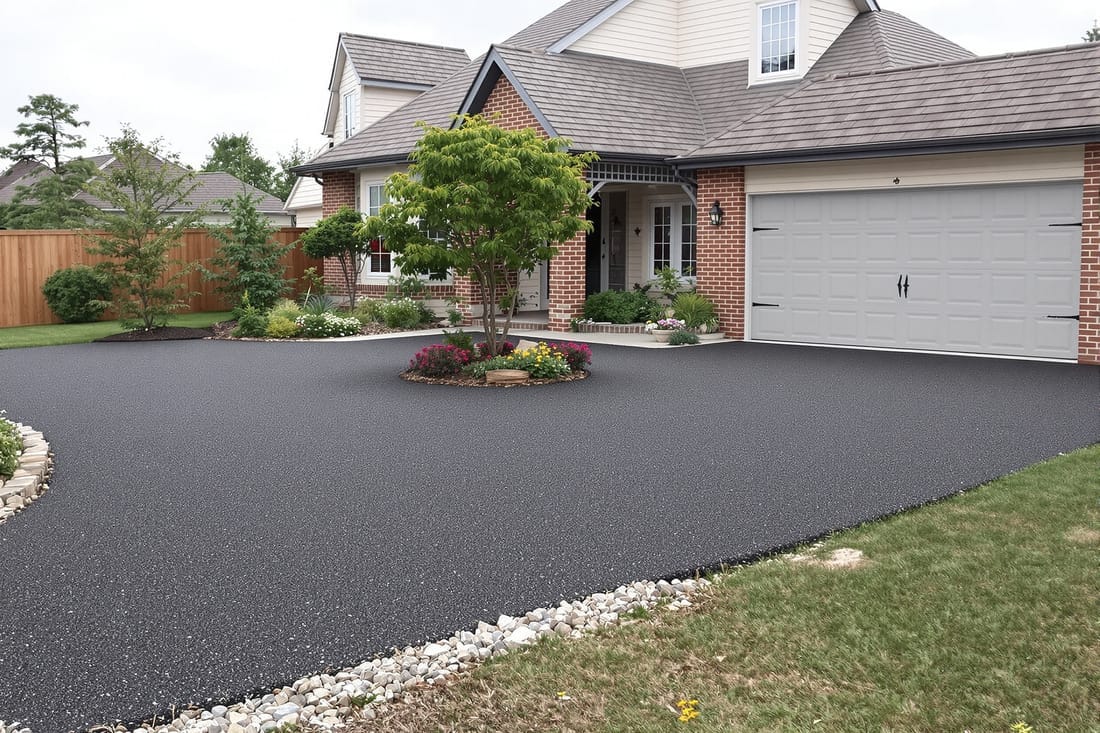
Tired of dust, ruts, and mud from your gravel drive. Our gravel to asphalt driveway conversions in Hewitt, TX create a clean, durable surface. We grade and compact your existing base, add material where needed, and install smooth asphalt that is easier to drive on and maintain.
Precision Asphalt Waco provides professional gravel to asphalt driveway throughout Hewitt, TX, Texas and the surrounding area. Our licensed, insured crew delivers safe, clean, on-time work with a free estimate before anything begins. Call (254) 870-7751 or request your free quote.
Gravel-to-Asphalt Driveways for Hewitt Homes and Businesses
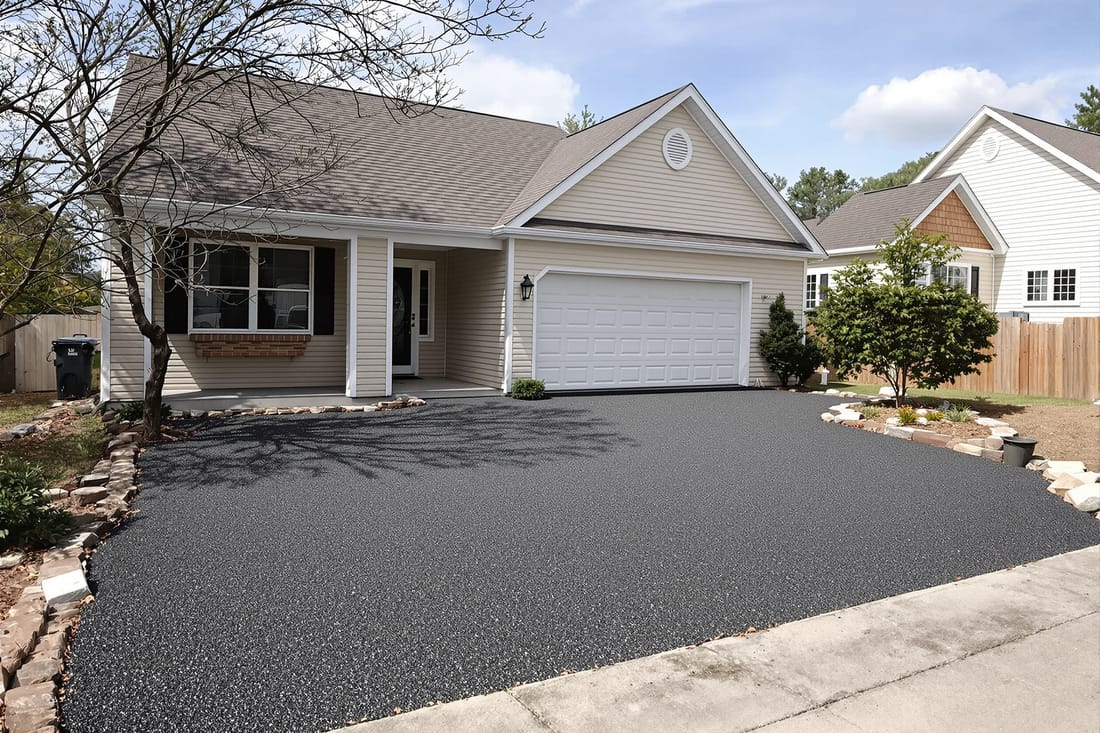
If you are tired of dust, ruts, and loose rock in your driveway, converting gravel to asphalt is a practical upgrade for most properties in Hewitt, TX. Precision Asphalt Waco focuses on gravel-to-asphalt driveway projects, so we know how to take an existing rock drive and turn it into a solid, smooth surface that actually holds up to Central Texas heat.
Converting is not just about spreading hot mix over stone. Done correctly, we stabilize the base that is already there, fix drainage, and design the pavement thickness to match how you use the drive. That is what prevents the usual problems that show up after the first summer, like soft spots, cracking at the edges, and standing water.
Most gravel drives in Hewitt were put in without a real plan for long-term paving. Our crew evaluates what you already have, then explains whether your current base can be reused, what needs to be rebuilt, and how that affects cost and schedule. You get straight answers and a clear scope before we ever bring in asphalt.
Our Step-by-Step Gravel-to-Asphalt Conversion Process
Every gravel to asphalt driveway project starts with a site visit. We walk the entire drive, check slopes, look for drainage problems, and probe the existing base with a rod to see how deep and compacted the rock is. We also note any low spots, soft areas, or places where water crosses the driveway after a rain. In Hewitt, we pay close attention to how your drive ties into Ritchie Road, Hewitt Drive, or neighborhood streets to keep transitions smooth and within local standards.
Next, we grade and shape the existing gravel. We use a motor grader or skid steer to cut high spots, fill low spots, and establish a correct crown or cross slope so water sheds off the new asphalt. On longer country drives we often build a slight center crown. On short residential drives we usually build a 2 percent slope toward one side that ties into your yard or drainage swale.
Once the shape is right, we compact the base. Heavy steel drum and rubber-tire rollers are used to lock the rock together. If your current gravel layer is thin or mixed with clay, we bring in additional flexible base rock (commonly TxDOT Grade 1 or similar) and blend it in before compacting. In some problem areas, such as where trucks turn near shops or barns, we may recommend a cement-stabilized base to keep the new asphalt from shoving.
After base compaction, we apply a tack coat if we are tying into any existing asphalt or concrete. Then we install the hot mix asphalt. For most Hewitt homes, we use a compacted thickness of 2 to 3 inches of hot mix asphalt, placed with a paver for an even mat, then compacted with rollers while it is still at the proper temperature. We cut clean joints at the street and garage, and we hand finish around culverts, mailboxes, and tight spots so there are no loose edges.
The last step is rolling and cleanup. We check for any puddles with water if needed, correct them while the mix is workable, and leave the site neat, with the edges of the new drive trimmed and feathered into the surrounding soil or rock.
Design Options That Affect Performance and Price
Not every gravel to asphalt driveway in Hewitt needs to be built the same way. At Precision Asphalt Waco, we match the design to how you use the property. A short residential drive with two cars parking will not need the same build as a long ranch entrance that sees dually trucks with trailers.
The first choice is base reinforcement. If your existing gravel is deep, clean, and drains well, we may reuse most of it with only minor additions and compaction. If it is mostly caliche, fines, and mud, we will recommend new base rock or partial removal. In some cases, customers choose to add geotextile fabric under new base in soft areas so the rock does not pump into the soil.
Next is asphalt thickness and mix type. Typical residential driveways in Hewitt get 2 inches of compacted hot mix (about 2.5 inches loose). Heavier traffic, like RVs, delivery trucks, or boat trailers, may justify 3 inches or more or a stronger base. On commercial or shop drives that see frequent heavy loads, we sometimes propose a two-course system with a base layer and a wearing course. We explain these options and the cost difference before you decide.
Edge treatment is another design choice. You can leave compacted soil shoulders next to the asphalt, which is common in rural settings, or add concrete or asphalt curbing in areas where you want a clean line and better edge protection. Strong edges prevent cracking and raveling where tires run close to the edge, such as at tight turns near garages.
We also discuss surface appearance and future sealcoating. New asphalt will be deep black at first, then fade to dark gray. If you want a more uniform long-term look and extra protection from UV and fuel drips, we can plan for a sealcoat after the first curing period, usually 6 to 12 months, when the pavement has fully cooled and oxidized.
Local Conditions, Permits, and HOA Rules in Hewitt, TX
Hewitt, TX and the surrounding McLennan County area bring a mix of hot summers, occasional ice, and heavy rain events. Those conditions shape how we convert gravel to asphalt driveways. Heat can soften poorly built asphalt, so we pay attention to base strength and compaction. Heavy rains exploit weak drainage, so we set grades to move water away from your house, garage, and low spots in the yard.
Within the City of Hewitt limits, some projects may require a permit or coordination if the driveway ties into a public street, especially if we are changing the width, moving a culvert, or altering a ditch. Precision Asphalt Waco can help you understand whether your job is simple resurfacing on private property or a project that needs city review. We are familiar with common driveway approaches along streets like Old Temple Road and Spring Valley Road and build to match existing city standards.
If you are in a subdivision with an HOA, there may be rules on driveway materials, color, width, or how close you can pave to the property line. Many HOAs in the Hewitt area prefer or require asphalt or concrete instead of loose gravel because of appearance and dust. We will work from any written guidelines you provide and can prepare a simple scope and sketch you can submit to your board for approval.
Rural properties just outside Hewitt usually have fewer formal requirements but often involve working around bar ditches, shared drives, or existing culverts. We make sure culvert inlets and outlets remain open and that paving at the roadway connection does not block water flow, which helps avoid erosion and problems with the county road department.
What Drives the Cost of a Gravel-to-Asphalt Driveway
Every customer wants to know what a gravel to asphalt driveway will cost. Precision Asphalt Waco prices are based on measurable conditions that we review with you on site, not guesswork over the phone.
The biggest cost driver is base condition. If your gravel driveway already has 4 to 6 inches of solid, compacted rock, and it has been there for years, conversion is usually quicker and less expensive. If we find deep ruts, soft subgrade, or standing water after rains, we will need to reshape and possibly add several inches of new base material. That means more equipment time and material, but it is also what prevents expensive failures later.
Driveway length and width are straightforward factors. A long narrow country drive may cost less per square foot than a short, wide parking area because setup is similar but production is more efficient. Tight sites with limited access, like flag-lot drives behind houses, can require more hand work and smaller equipment, which affects labor.
Thickness of asphalt also changes cost. A thin layer is cheaper today but more likely to crack or deform, especially with heavier vehicles or weak base. We walk you through what thickness makes sense based on your vehicles. We do not quote the thinnest option just to be the lowest bid because we want the driveway to last.
Other cost items include edge work, removal of unsuitable material, driveway widenings, and tie-ins to garages, shops, or patios. We provide a written proposal that lists the planned base work, asphalt thickness, and any optional items so you can see where your money is going and decide what matters most for your property and budget.
Common Problems We Solve and How to Prepare Your Property
Most issues we see on failed gravel-to-asphalt conversions around Hewitt trace back to skipped steps. Thin asphalt over loose rock, no attention to drainage, and weak edges lead to premature cracking, potholes, and pumping mud. Precision Asphalt Waco addresses these from the start.
Soft spots are a common problem in low areas or where water stands. We identify these during our base inspection, then undercut and replace poor soil with new base, sometimes with stabilization if needed. This keeps the new asphalt from sinking. Where runoff crosses the driveway, we may regrade the area or add a small swale so water flows beside the drive instead of over it.
Another frequent issue is dust and tracking during construction. Before we start, we coordinate a schedule that fits your routine. We ask you to move vehicles, trailers, and equipment off the driveway and to keep heavy traffic off freshly graded base and new asphalt until we give the all clear. On paving day, we usually keep driveways closed to vehicles for 24 hours after compaction, sometimes longer for heavy trucks or RVs.
Before we arrive, trim low tree branches, mark sprinklers or shallow utilities along the edges, and let us know about any underground lines that are not obvious. Clear personal items from the work zone, such as portable basketball goals, planters, or small yard decor. These simple steps help us work efficiently and protect your property.
Once the new gravel to asphalt driveway is in place, basic care is simple. Avoid sharp turns of steering wheels while parked, especially in the first few weeks. Keep heavy point loads, such as jack stands or trailer tongue jacks, off the asphalt or use pads. If you see a small issue early, such as a low spot holding water or an edge starting to break off where someone drove over the side, contact us so we can address it before it grows into a larger repair.